



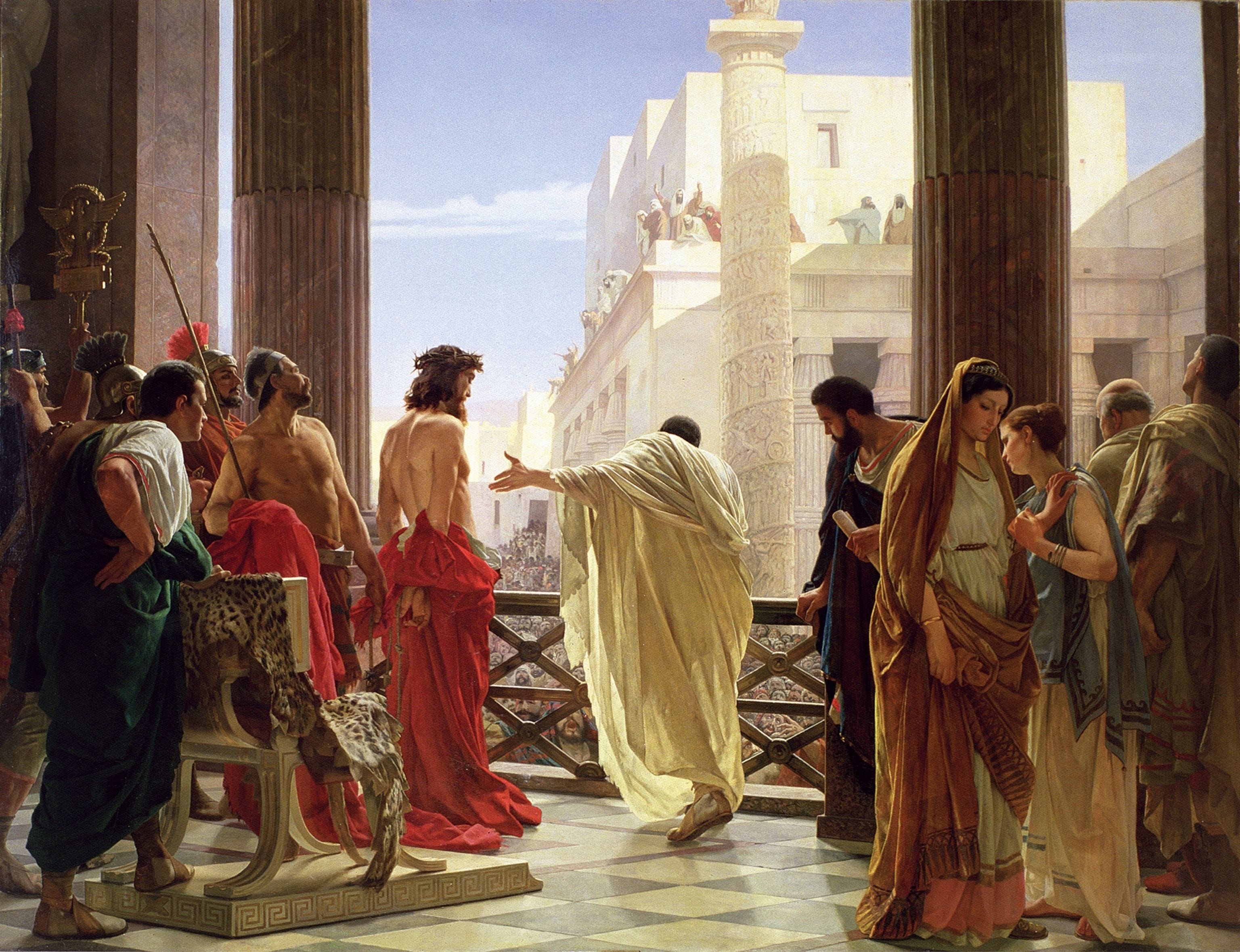
After five years of writing about masculinity, I've come to understand its essence in one word: sacrifice.
Most of the insights I discover in this journey of trying to provide men with an ideal to strive towards are not new at all, but rather personal realizations of truths that much greater men have grasped way before me.
This particular truth —of sacrifice as the essence of manhood— isn't a new revelation, for Scripture and the saints have taught this for two millennia. But in the postmodern world, it's a truth that's been buried under mountains of counterfeit versions of “masculinity”, which is why it’s worth stating it openly and clearly, and explaining the philosophical foundation of the claim that to be a man is to live and die for others.
Thank you for reading Ad Aeternum! If you’re enjoying our work, please consider upgrading to a premium subscription to support us and get access to:
Exclusive, in-depth articles every Saturday
Access to the entire archive of essays
Group chat access and subscriber Q&As plus many upcoming member benefits
Removing the Foundation
I find it quite interesting how masculinity has become such a mainstream topic over the last couple of years. Before the woke boom, it was completely unthinkable to even try and discuss how men should behave and what masculinity entails, as the entire culture was plagued by a relentless —and at the time unchallenged— wave of feminism which sought to undermine men as a whole, making the prospect of masculine development a grave offense.
Now, however, more and more people are starting to enter the cultural arena to offer their very own definitions of masculinity, trying to guide men towards what they consider to be the optimal, morally superior standards of behavior. A few schools of thought have become widespread and strong, like the Nietzschean idea of the Superman or the materialistic idea of improvement as a masturbatory and self-glorifying pursuit. We see the latter among gurus like Andrew Tate, who promote a version of masculinity that is all about the self, all about rising so that you can accumulate power and pleasure. Ironically, the self-glorifying “masculinity” they propose is the complete opposite of real manhood: a childish ideal fit for men who never learnt to deny themselves in favor of the ultimate good.

All standards or ideas of masculinity that fail to take into account the transcendent, the spiritual and the eternal are flawed at best and destructive at worst. From a philosophical standpoint, if the concept of masculinity —as an ideal to strive towards— rests on the subjective definition of any fallible man, it will always fall short in describing the perfection we should be aiming towards.
What this means is that to define what masculinity is, we must look beyond the material world, beyond the humans that inhabit it, beyond the gurus and their empty promises, and towards the one man who’s both fully human and fully God: Jesus Christ.

The Truth
The “masculinity” that pursues the prideful glorification of the self is diametrically opposed to the ideal of masculinity that Christ —the Way, the Truth, and the Life— embodies, and is thus everything but masculinity.
Masculinity, in its purest sense, is the virtue that makes a man more like he was created to be. And a man was created to be in communion with God, by seeking to imitate Him, by surrendering his heart to Him, and by dying daily to allow Christ to live in him.
That means that every time we pursue a different goal, we are becoming less masculine. Every time we follow the standards of masculinity that aim towards gratification of our base desires instead of towards heaven, we become less Christlike, and thus, less masculine.
If Christ is to be our guiding light, we must then ask ourselves what characterizes Him and what makes Him such a unique figure, and the answer stares at us from the Cross through which He redeemed the world: sacrifice.
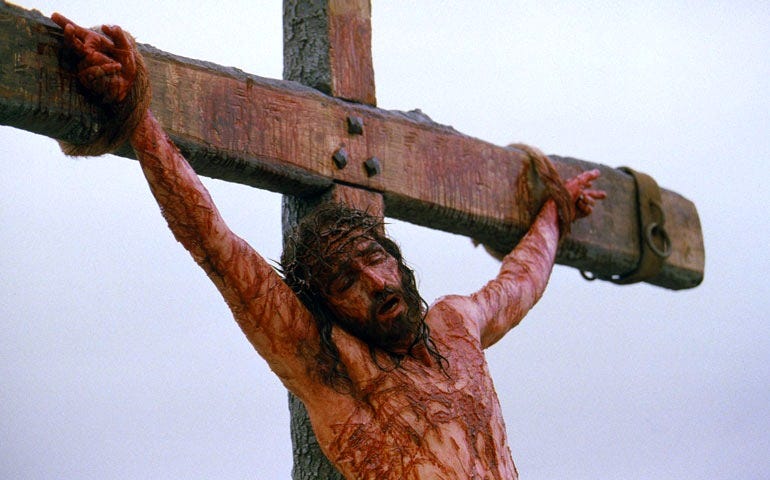
Christ is what makes Christianity different from all other religions and from all other attempts at defining how a man should be. Christ, hanging from the Cross, shows us the standard for masculinity: death for the sake of others. Death for love.
This is the virtue that is exemplified in the father who sacrifices his comfort to discipline his children when discipline is difficult, the husband who sacrifices career advancement to be present for his family's formation, or the friend who does something as simple as sacrifice his Saturday to help a struggling brother move, or fix his car, or help him through his breakup.
Thats the sacrificial masculinity that we should pursue: active, costly love that prioritizes the good of others over the comfort of self. Christ calls us to that:
Then Jesus told his disciples, “If any man would come after me, let him deny himself and take up his cross and follow me. For whoever would save his life will lose it, and whoever loses his life for my sake will find it.”
— Matthew 16:24-25
Did you think that was just a metaphor? Did you think that simply meant to bear the burdens of modern life without complaint? Did you think the cross Christ mentioned was the petty discomforts and sufferings we have become so unaccustomed to?
No, to take up your cross means to be ready to die for Him. To commit to living a life of sacrifice, in which your whims and wishes go last, in which you answer the call of all of those who need your help, and serve God and your neighbor out of love.
But this love does not manifest itself as passive acceptance or as weakness. We are not called to tolerate sin or become doormats using “sacrifice” as a comfortable excuse. Once again, we can look at the example of Christ, and see that He sacrificed Himself for our good, not for our comfort. He didn't sacrifice truth or justice, but His comfort, His glory, and ultimately, His life for our salvation.
This is a teaching that is unique to Christianity, and it’s uniqueness is the very reason why it’s so hard to find men of character, grit, and sacrificial love outside the boundaries of our faith. It’s not like it’s easy to find them within them, not at all. We must admit that the enemy has been successful at emasculating even those of us who should exemplify the strength and courage of the Savior we seek to imitate and rejoin in Heaven.
But the truth is that this ideal of masculinity —the only real kind of manliness— is only found in the proper expression of the faith that gave birth to it. It only makes sense to live for something higher if you believe that something higher exists. It only makes sense to give up your life for the sake of others if you believe there is a higher good to be won by doing so.
If your ultimate objective isn’t heaven but the artificial prolongation of your life or hoarding as much gold as possible before death calls your name, sacrifice will be a pestering, senseless concept.
But for those of us who have our gaze set firmly on eternity, sacrifice and a life of service are the essential tools that will keep our path straight when surrounded by the shiny objects and the temptations that seek to lead us astray.
The small, seemingly meaningless sacrifices we make in our daily lives will be what trains us for the heavier crosses that might come: persecution, alienation, and if God wills it, martyrdom. A man who can’t say no to the selfish desires of his flesh or forgo his plans to help a friend will deny and betray Christ under pressure. A man who can’t engage in the little sacrifices that life calls him to will choose himself over others when the stakes are highest, cowardly running away from the duty to lay down his own life out of love.
The Lord calls us towards Him, but we are not to go to Him empty-handed.
It would be shameful for a man to arrive at His presence without a worthy cross to present to Him. It would be an insult to see His sacrifice and assume that it means we don’t need to carry our load.
Learn to die so you can live eternally, and learn to love the weight of sacrifice so you can walk with Christ towards the transformation of your heart and soul.
Ad Maiora Nati Sumus,
Juan

Thank you for reading!
If you enjoyed this post and could leave a like or comment it would be greatly appreciated, as it will help my work reach more people.
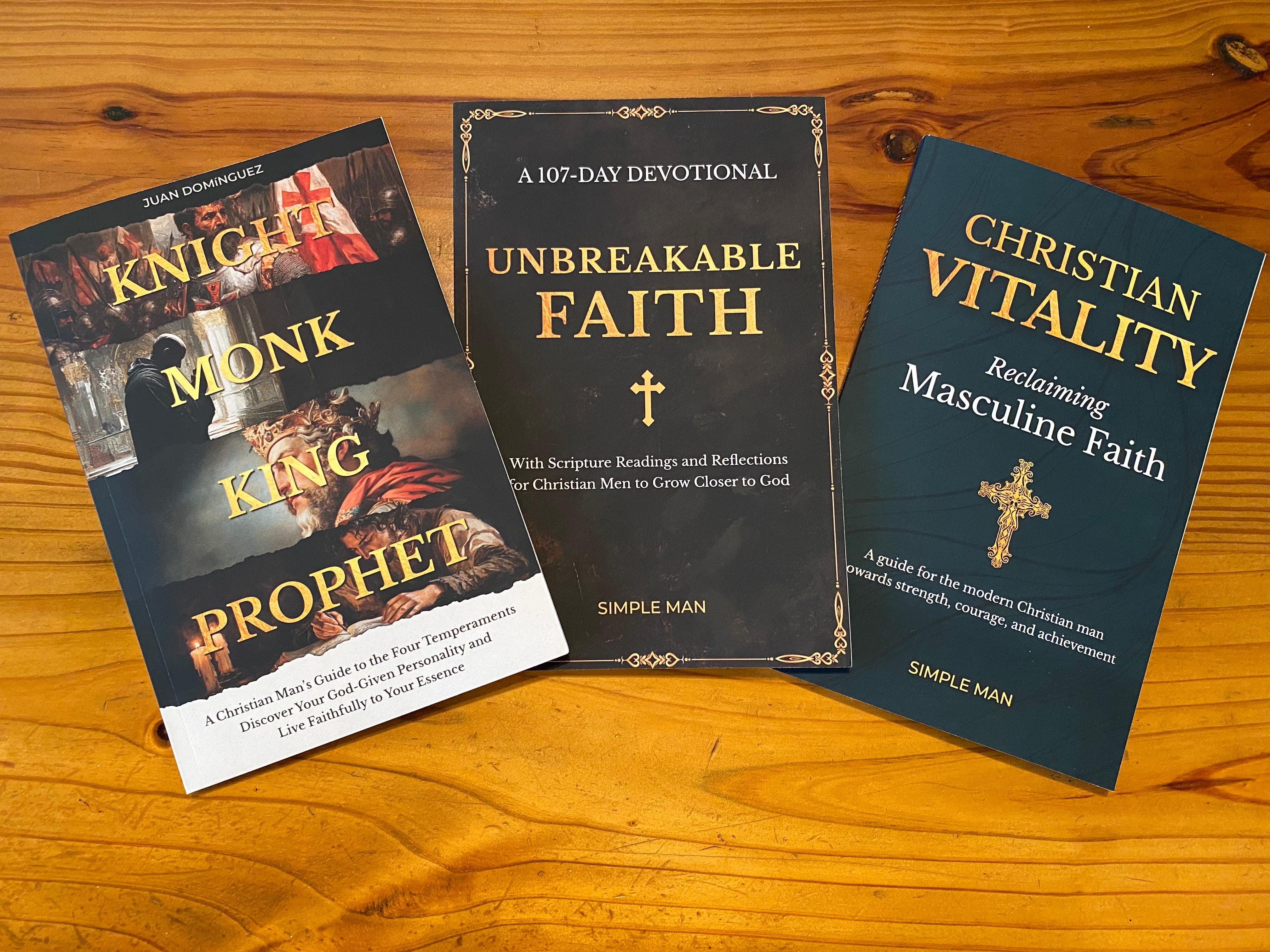
If you liked this article, you’ll love my books.
I understand the importance of your words as not only true but sorely needed by men of these times.
However the same holds for women who raise children and sacrifice themselves, suffering to let go so that their children may reach their potentials.
Just as Christ willingly suffered for his passion, his mother Mary did the same.
Beautifully wrote and completely truthful. Thank you for taking the time to write this.