



Most men instinctively know that each of us is created uniquely and intentionally by God. Each man was designed, perfectly crafted, and brought to life at a specific time and for a specific purpose.
“For thou didst form my inward parts, thou didst knit me together in my mother’s womb.
I praise thee, for thou art fearful and wonderful.
Wonderful are thy works!
Thou knowest me right well; my frame was not hidden from thee,
when I was being made in secret, intricately wrought in the depths of the earth.
Thy eyes beheld my unformed substance; in thy book were written, every one of them, the days that were formed for me, when as yet there was none of them.”— Psalm 139:13-16
There is however, a big problem that most men face whenever they start trying to live righteously, grow in virtue, and align their will with God’s: they don’t have a framework for understanding themselves, their potential, and the role they are created to play upon this earth.
It’s difficult to truly improve if the starting point for robust self-knowledge is missing. After all, if you don’t know what kind of clay you’re working with, how will you know how to best shape it and what to make with it?
The good news is that, as with most dilemmas we face, the Christian tradition has figured it out already. There is a way and a framework to know yourself better, to understand your struggles and talents, and thus better know what you ought to develop, and how you should approach your desire to increase in virtue.
Temperamental Theory
The theory of the four temperaments is not a personality test or a self-help typology, but a classical, well-studied framework, rooted in ancient medicine and developed by historical figures such as Hippocrates, Galen, and eventually St. Thomas Aquinas. Temperamental theory, in short, gives us a framework for understanding the dominant passions and natural inclinations that shape how a man responds to the world:
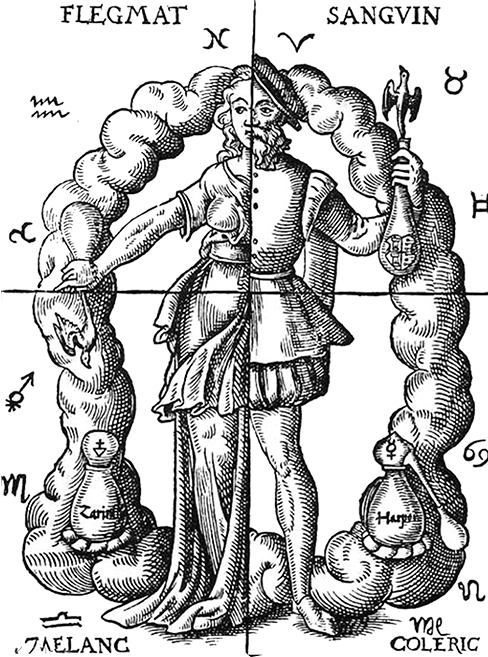
The four temperaments are:
Choleric: driven, decisive, naturally commanding, prone to anger and impatience.
Melancholic: deep, analytical, idealistic, prone to perfectionism and interior suffering.
Sanguine: warm, sociable, enthusiastic, prone to inconsistency and distraction.
Phlegmatic: calm, steady, reliable, prone to passivity and avoidance of conflict.
It’s important to note that most of us (if not all) are a blend of two or more temperaments rather than a pure type, and that no temperament is objectively better than any other, as they all have their own natural virtues to develop and natural vices and temptations to avoid.
The Four Christian Masculine Archetypes
While temperamental theory is tremendously useful on its own, it sometimes lacks the archetypal framework that allows us to grasp the meaning and ideal behavior of each predominant temperament fully. For that, at Ad Aeternum we developed the framework of the four Christian Masculine Archetypes, which serves as our formation model.
Think of it like this: if the temperaments tell you how you are wired, the archetypes tell you what you are wired for. In practice, they tell you what form your masculine vocation could take, what the specific demands of your character are in terms of formation, and what the specific temptations of your archetype look like.
The Knight: The Righteous Fighter
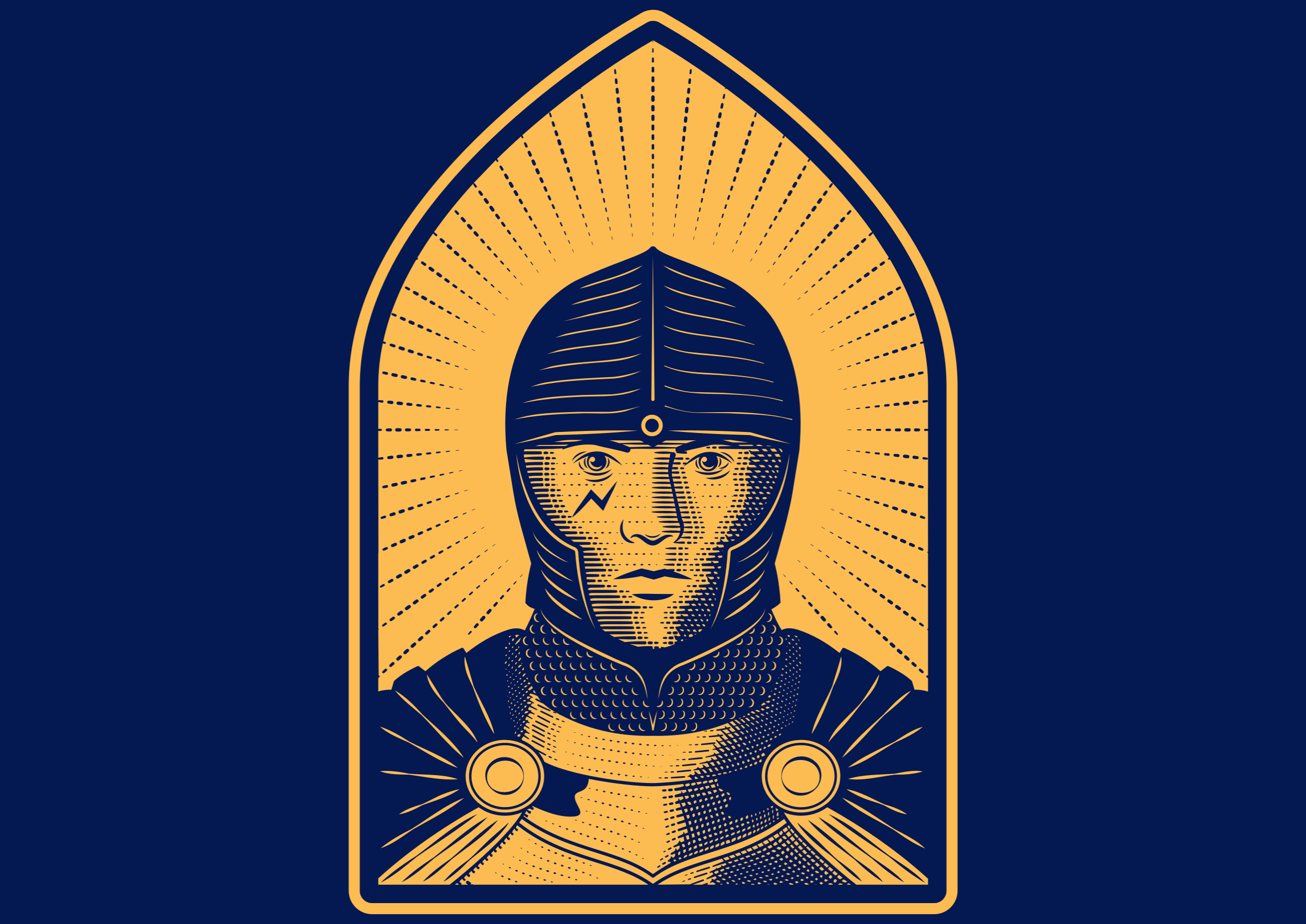
This is the man of action, discipline, persistence and great physical courage. His temptation is often violence or domination without justice, and the exercise of strength without charity. The Christian Knight mainly exemplifies the virtues and struggles of the Choleric, with the key distinction that he submits his strength to the service of a higher cause, and uses his persevering, competitive nature to further that cause. He understands his responsibility as a natural born leader, and he uses his fortitude to inspire and lead others, instead of using it to boast, feel superior, or put others down.
Most importantly, he understands that he owes his strength to God, and thus stays obedient to Him.
The Monk: The Patient Pillar
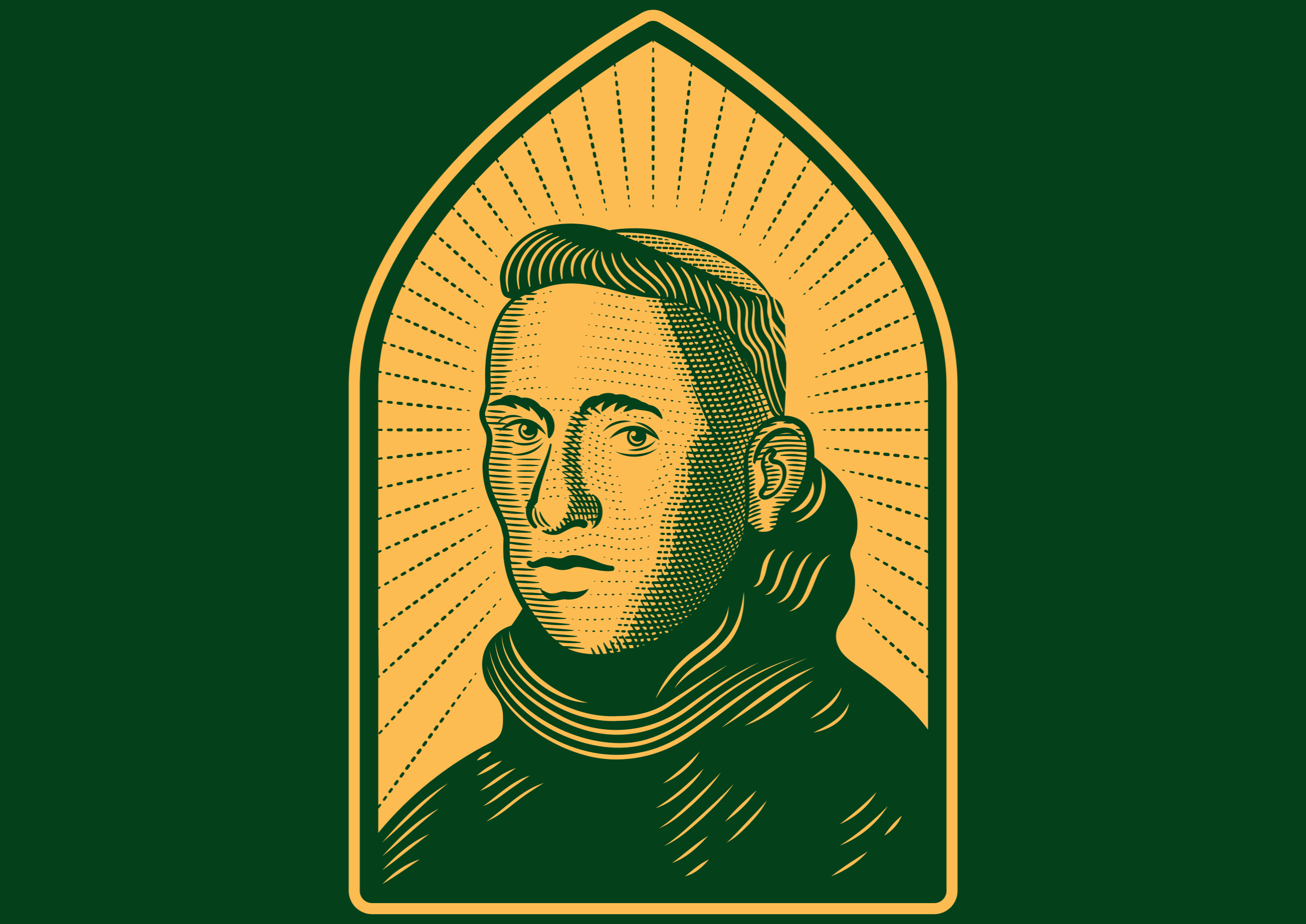
The Monk represents the man of contemplation, theology, and interior depth. His temptation is withdrawal from the world into the comfort of his own mind, and gathering knowledge without ever taking action. The Monk is an archetypal representation of the phlegmatic temperament.
The way in which the Christian Monk can make the best of his temperament is by meditating on the eternal questions, and by placing the knowledge that he gathers to the service of others, serving as a patient guide for those who want to find the peace of God.
The King: The Charismatic Ruler
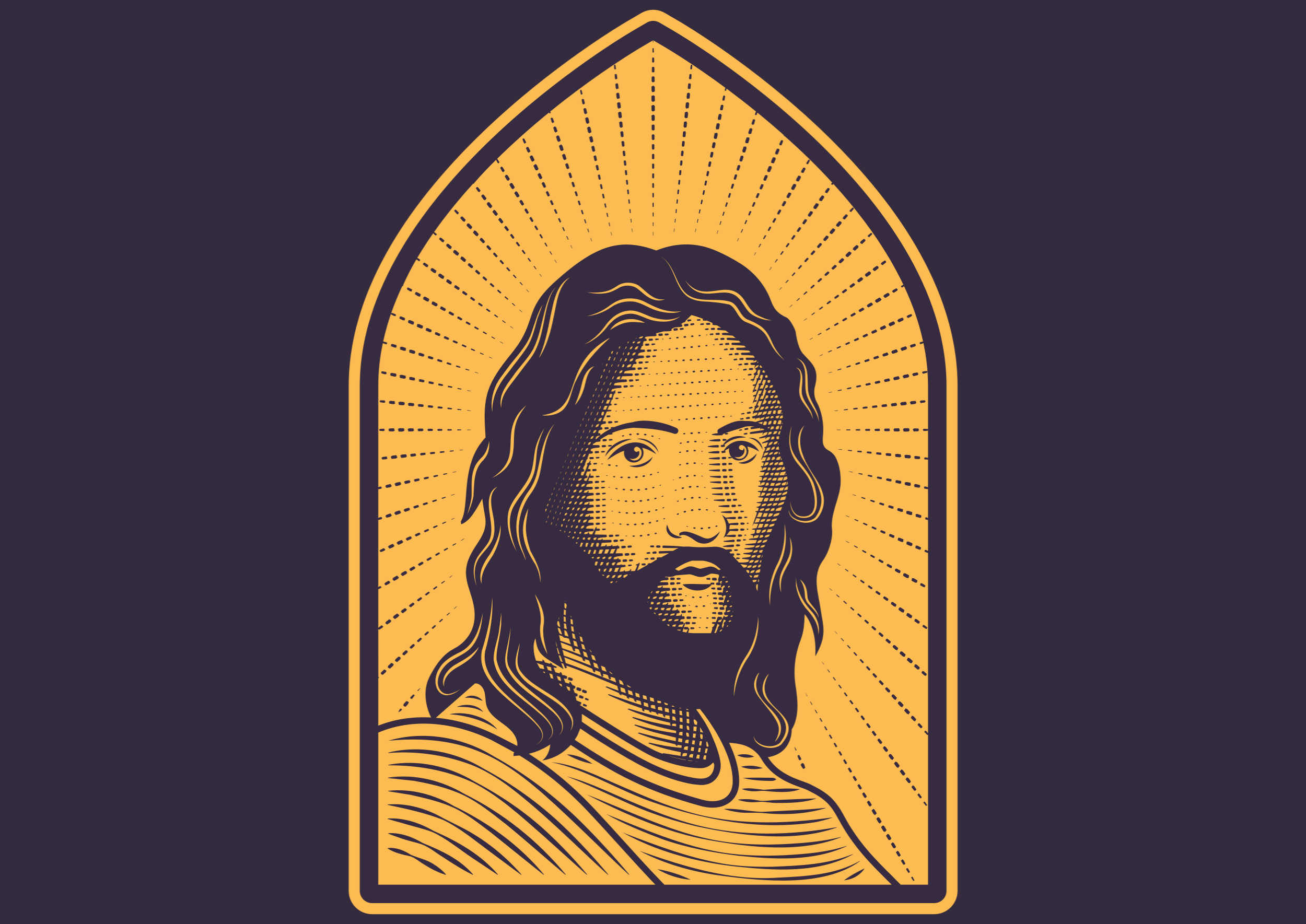
This is the man of authority, order, leadership, and social intelligence. His temptation is people-pleasing and following a comfortable, un-sacrificial model of leadership. The King as an archetype seeks to reflect the virtues and battles of the Sanguine temperament.
In a Christian sense the King is not merely a ruler, but a servant-leader, following Christ’s model of kingship: humility, self-sacrifice, and the responsibility and commitment to lead others towards God and virtue. The Christian King knows how to lower himself, be humble and surrender to God’s will. He’s also able and determined to listen to those who look up to him, see them for what they are, and empathize with them.
The Prophet: The Just and Wise Messenger
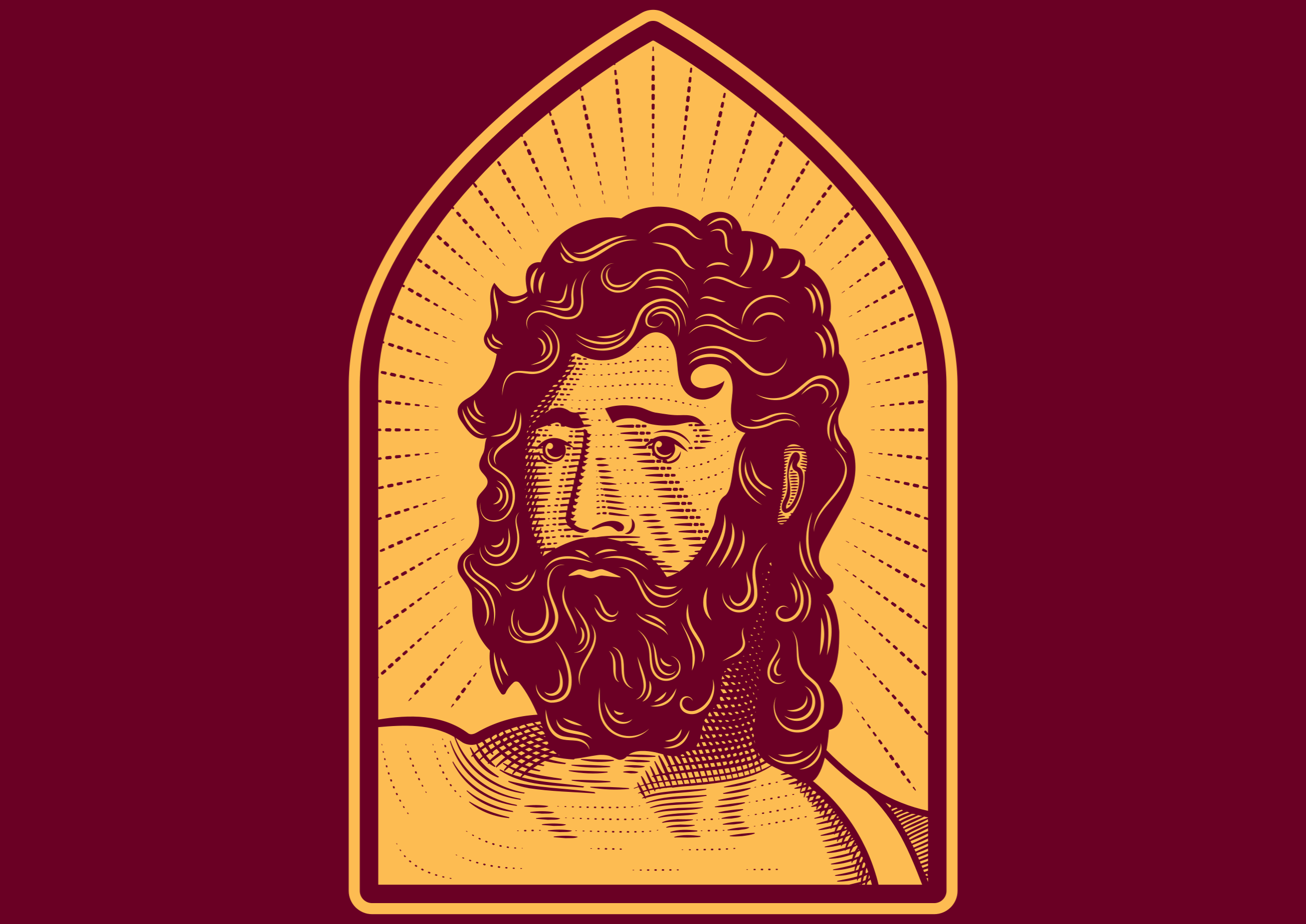
The Prophet is the archetypal representation of the melancholic temperament: the man of moral clarity, cultural critique, and reflection. His temptation is bitterness, self-righteousness, speaking truth without love, and hopelessness when faced with the harshness of the world.
The Christian Prophet orders his passionate heart towards longing for God and towards the honest pursuit of heaven. He realizes that no amount of beauty in the world will satisfy him, so he turns his attention towards the eternal. The Prophet also seeks to share this longing for beauty and the contents of his heart with others, as he’s genuinely interested in helping others attain salvation.
Why Does This Matter?
Understanding your temperament and finding out the main Christian masculine archetype that reflects your own being is interesting on its own, but it’s also highly useful, in my opinion, for four reasons:
By understanding your own temperament you can grow in self love, and see yourself closer to how Christ sees you. You’ll be able to stop comparing yourself to others and understand that your battles are different and unique, and so too your victories. The essence of this self-acceptance is to see yourself as God made you: not perfect, but perfectly created, unique in your
strange ways but just as valuable as the next man.
The pursuit of sanctity is a perpetual uphill climb in which you’ll need to use every tool at your disposal if you are to be successful in reaching the mountaintop. Being blind or oblivious to your temperament and to the virtues and vices towards which it naturally inclines you is to handicap yourself and make an already tough battle even tougher.
Knowing about the four temperaments and archetypes allows you to understand others better, to comprehend their inclinations, their struggles and their strengths, so you can grow in charity, love, and empathy. It’s easier to be empathic when you understand that other people’s battles are so incredibly different from yours.
Knowing your own temperament will help you to be better equipped to make important decisions in your life when it comes to choosing a career, a calling, a direction to follow professionally, or simply what to do every day with your life. You cannot hide from the particular inclinations of your heart. God gave you a specific temperament for a reason, and if your heart tugs in a set direction, it’s worth listening to it.
As you can see, learning about temperamental/archetypal theory can actually help you significantly in your path towards sanctity. Whether you discover, after reading more about this framework, that you possess the bright fire of the Choleric Knight, or the sensitive soul of the Melancholic Prophet, once you learn to see yourself as God made you, it’s much easier to discover your true calling, to put your talents to the service of others, and to be more aware of the temptations that could most easily lure you towards the darkness.
One of my best-selling books is titled Knight, Monk, King, Prophet, and it’s an in-depth breakdown of the framework we just discussed. It goes deeper into the history of the theory, the specifics of each archetype, the theology behind it, the saints who embodied it, the specific vices each type is prone to, and the concrete formation path that each requires. If you found this article interesting, you can learn more about the temperaments and masculine archetypes by ordering the book here. The book also comes with a questionnaire to help you discover your predominant and secondary temperaments.
Self-knowledge necessarily precedes self-love, and the understanding of others precedes true charity. That’s why this framework is so powerful, and that’s why every man who doesn’t learn about it will be missing out on an amazing formation tool that has been fundamental in the conversion and purification of many men, myself included.
Never forget, however, the main purpose of knowing yourself: to shine the light of Christ on all your flaws, vices, and sins, so you can purge them from the depths of your broken soul, imitate Christ more closely, and become worthy of heaven.
Ad Maiora Nati Sumus,
Juan


Thank you for reading!
If you enjoyed this post and could leave a like or comment it would be greatly appreciated, as it will help my work reach more people.
Also, if you liked this article, you’ll love my book.

I loved the breakdown on the different temperaments into their archetype ❤️
It has revealed a lot about myself and the inclinations I lean into.
Thanks so much for this
It’s a great article and I enjoyed the book as well. My only gloss, if you’ll permit it, is this: each man is a combination of all four temperaments. There’s a predominant type and a predominant secondary. Every man looking through the list will find parts of himself in each archetype and there will be one with which he resonates. But care must be taken for each of us will seek to identify with his ego-ideal. If you really want to know your archetype, do the work, and then ask your wife, your fiancée, your best friend — or your father. Or your Heavenly Father.