


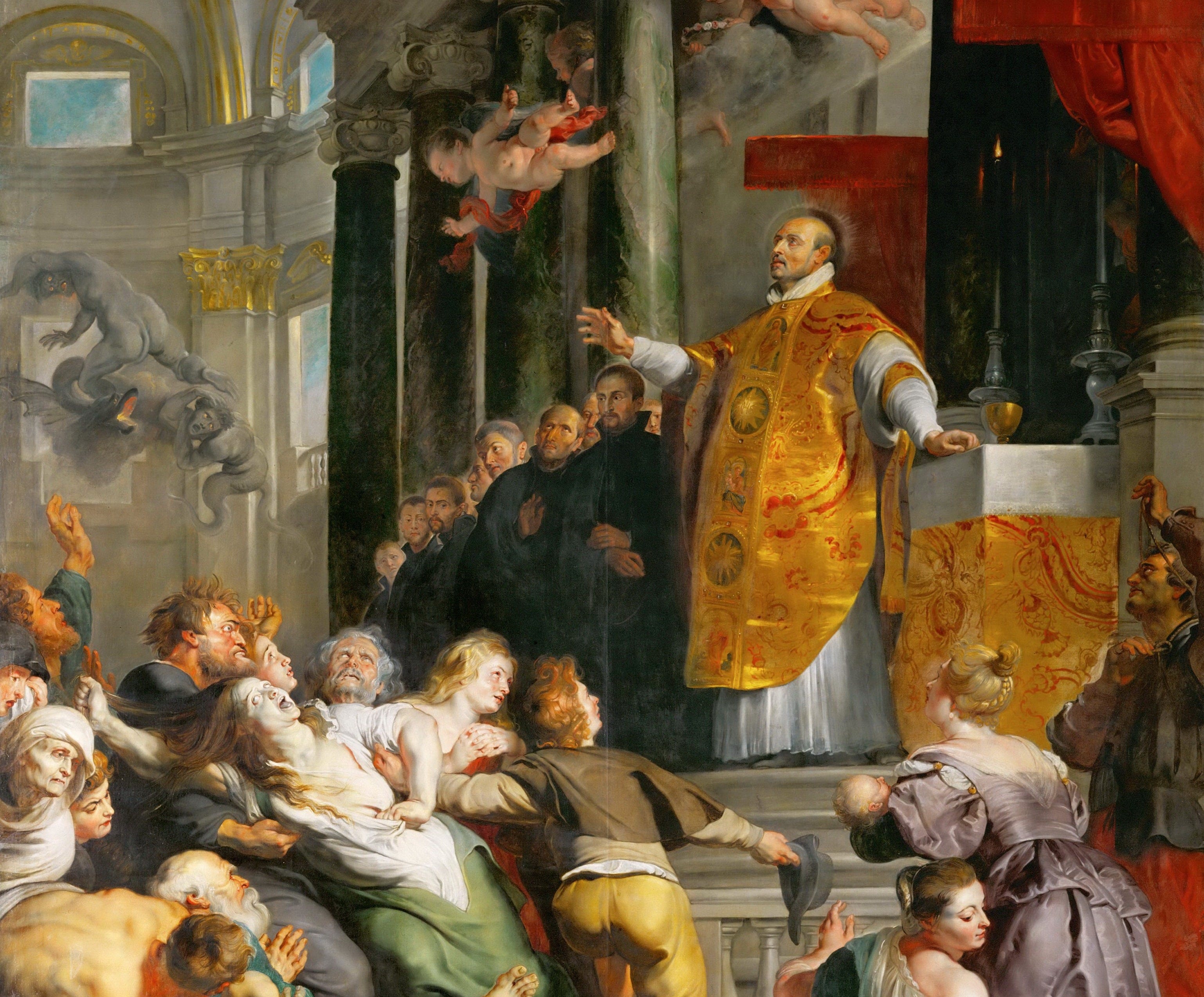
One of the things that nobody prepares you for when you start following Christ is the endless mental battle that is threading the line between scrupulosity and spiritual pride, and being too lax and permissive with yourself and your own sinful nature.
“Is thinking this a sin?” “Was that thought impure?”
or alternatively,
“God is merciful, so He’ll forgive me anyway.”
I don’t know about you, but I have found it quite challenging to find the sweet-spot between scrupulosity and laxity. It’s as if you’re always going too far in one or the other direction, forever looking for the correct middle where true virtue and humility lie.
Both extremes are far from ideal: scruples act as false guilt loops that paralyze good men, and laxity becomes a comfortable reason not to strive for holiness.
Thankfully, most modern problems have ancient solutions. In this particular case, we can look at one great saint who solved this problem 500 years ago with a counterintuitive strategy: St. Ignatius of Loyola.
Thank you for reading Ad Aeternum! If you’re enjoying our work, please consider upgrading to a premium subscription to support us and get access to:
Exclusive, in-depth articles every Saturday
Access to the entire archive of essays
Group chat access and subscriber Q&As plus all the upcoming member benefits
Who Was St. Ignatius & Why He Matters
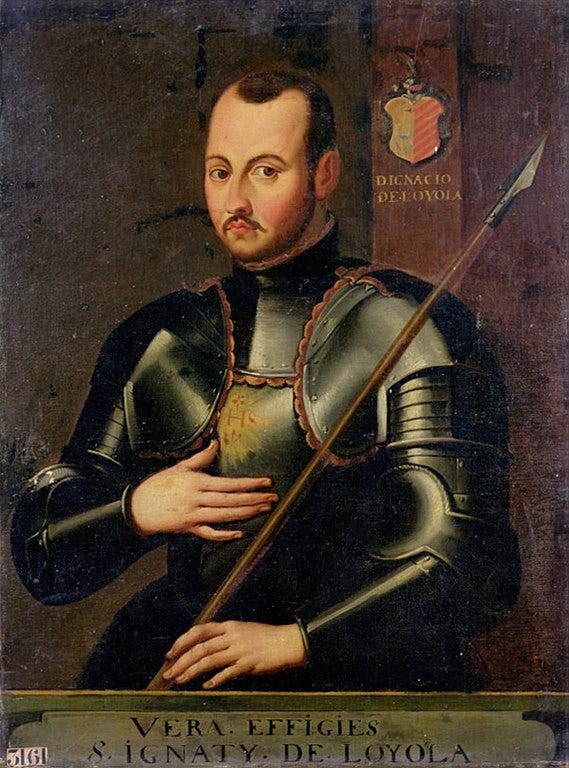
St. Ignatius of Loyola was a Spanish soldier whose leg was shattered by a cannonball during the siege of Pamplona. During his long recovery he experienced a radical conversion that would forever change the history of the Church.
Once a very ambitious soldier, his conversion led him to forgo his dreams of military and earthly glory, chooisng instead to spend years in intense prayer and self-examination, eventually founding the Society of Jesus (the Jesuits) and writing the Spiritual Exercises, a handbook for spiritual warfare and discernment that has guided souls for five centuries.
But like many ambitious converts who replace earthly goals with a strong longing for holiness, St. Ignatius began to struggle with crippling, severe scrupulosity. After his conversion, he became obsessed with confessing every tiny imperfection. He spent hours examining his conscience, confessing the same sins repeatedly, unable to find peace. His scruples grew so intense that at one point it’s said that he seriously considered throwing himself from a cliff out of sheer despair.
But what makes a man great is his capacity to endure and persevere during times of darkness. St. Ignatius didn’t stay trapped. He understood that his scruples were a form of spiritual temptation by the devil, and he fought the battle he was called to fight.
Through prayer, spiritual direction, and hard-won firsthand experience, he learned to defeat the enemy’s tactic and get his scrupulosity under control. Thankfully for us, St. Ignatius recorded and shared what he learned, so we can use his example and learn how to defeat scruples (and laxity) and avoid the paralysis and the temptations of the enemy.
The Enemy’s Tactic: Pushing You to Extremes
What St. Ignatius identified is that the enemy studies your conscience so he can control you. The great trickster knows us well, and thus he knows exactly which buttons to push to get us to go too far in either direction (scrupulosity or laxity). St. Ignatius explains it better:
The enemy looks much if a soul is gross or delicate, and if it is delicate, he tries to make it more delicate in the extreme, to disturb and embarrass it more. For instance, if he sees that a soul does not consent to either mortal sin or venial or any appearance of deliberate sin, then the enemy, when he cannot make it fall into a thing that appears sin, aims at making it make out sin where there is not sin, as in a word or very small thought.
If the soul is gross, the enemy tries to make it more gross; for instance, if before it made no account of venial sins, he will try to have it make little account of mortal sins, and if before it made some account, he will try to have it now make much less or none.1
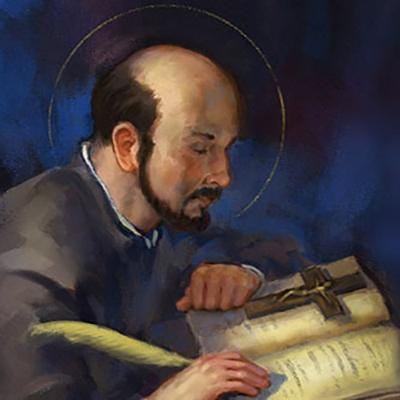
Simply put, if you’re sensitive and careful in avoiding sin, the enemy will do his best to push you towards scrupulosity, to the point where you find yourself fabricating sins everywhere, and becoming paralyzed.
On the other hand, if you’re careless and lax, he’ll try to make you more reckless, so that you end up minimizing real sins.
The goal of the enemy is to keep you away from the balanced “mean” where peace and wise action live.
And he’s usually very successful. He convinces careful minds to see sin where there isn’t, and he convinces relaxed minds that there is no sin where there clearly is.
The problem for us is that it’s only really possible to lead ourselves and ours properly, make good decisions, and move forward in our spiritual life if we manage to defeat the temptations of scrupulosity and laxity and find the correct middle where true virtue and wisdom lie.
Thankfully, St. Ignatius can guide us, and this great saint developed a clear, practical, instantly applicable strategy to defeat the schemes of the enemy and avoid going too far in either direction, thus defeating self-doubt and anxiety.