




Today is Ash Wednesday, the first day of Lent, a 40-day period of spiritual preparation for Easter. Easter is perhaps the most important liturgical season for us Catholics, as we celebrate Christ’s triumph over sin and death. Lent is of great importance too, as it serves for us to prepare spiritually for the celebration of Jesus’ resurrection.
The main reason why I wanted to write this article is because partaking in Lent in an intentional manner has been transformative for me. It was during Lent a few years ago that Christ found me, and it has had an even more special place in my heart ever since.
I believe that participating in Lent in an intentional manner, to strengthen your relationship with God, know Him more intimately, and practice detachment from things of the world can be incredibly meaningful for all of us who are striving to become saints. Thus, I wanted to offer some simple advice regarding how to partake in Lent meaningfully.
What is Lent?
Lent lasts for 40 days, from Ash Wednesday (today) to the Easter Vigil on Holy Saturday evening.
Lent is a time of penance, fasting, prayer, and almsgiving, intended to prepare us for the celebration of the Paschal Mystery—the passion, death, and resurrection of Jesus Christ, which is the very center of our faith.
The 40 days of Lent mirror the 40 days that Jesus spent fasting in the desert before beginning His public ministry. Because it’s a period of renewal and reflection, we are encouraged to engage in practices that strengthen our relationship with God, mainly those related to Fasting, Prayer, and Almsgiving, as well as frequent participation in the sacraments.

Lent is, in summary, a time for the faithful to prepare our hearts and minds for the joy of Easter, by engaging in ascetic practices, stronger prayer, and devoted, intentional acts of service.
Thank you for reading Ad Aeternum! If you’re enjoying our work, please consider upgrading to a premium subscription to support us and get access to:
Exclusive, in-depth articles every Saturday
Access to the entire archive of essays
Group chat access and subscriber Q&As plus many upcoming member benefits
Why is Lent so Important?
As mentioned earlier, Lent is a time of preparation for the celebration of Easter, the most important feast in the Christian calendar, which commemorates the resurrection of Jesus Christ. We aim to come to Easter with a heart that is ready to receive Christ and let Him transform it.
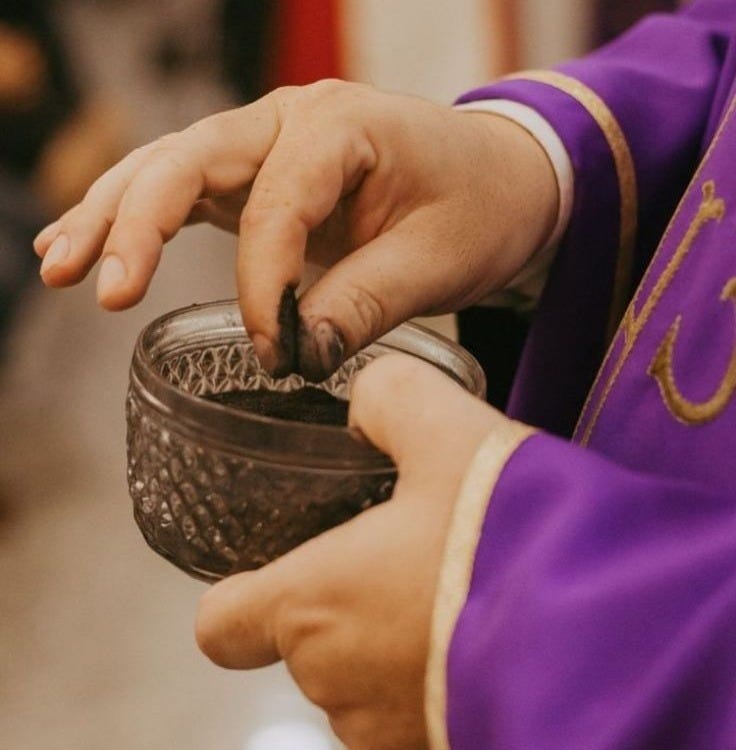
During Lent, there’s also a strong emphasis on repentance and conversion. On Ash Wednesday, as the priest marks the faithful with the ashes —representing our sinful, mortal nature and our need for God’s grace— on our forehead and he tells us to “repent and believe the Gospel”. We are thereby encouraged to examine our lives, recognize areas of sin, and seek reconciliation with God.
Lent is also important because by intentionally practicing acts of self-denial we learn to express solidarity with Christ's passion and develop a greater appreciation for His love and sacrifice. This connection to Christ's suffering also encourages empathy and compassion for all of those who are suffering in the world today.
Finally, Lent has a strong communal aspect within the Catholic Church, as we come together to participate in liturgical celebrations, such as the Stations of the Cross, and to support each other in our Lenten commitments. It’s a time that, when approached intentionally and with a willing heart, can transform you, renew you, and draw you much closer to God.

How Should We Participate in Lent?
A simple yet meaningful approach to Lent is to engage in specific actions related to the three principal means of attaining Christian perfection: Prayer, Fasting and Almsgiving.1
Think about what you can do for each one of those three categories:
What attachments do you have that you can fast from?
How can you introduce more prayer into your daily routine?
How can you give more and be more charitable?
This is a great opportunity to be intentional about strengthening your relationship with God by the means described above. You can use this as an opportunity to give up those attachments that keep you enslaved, to increase your spiritual strength in prayer, and to be of more service to those around you.
If you need some ideas, here are my Lenten purposes for this year:
My Lenten Purposes
Prayer:
Pray the rosary every day.
Attend Mass every Sunday and one extra day during the week.
Fasting:
Give up sweets and desserts.
Give up sweet drinks.
Fast on Wednesday and Friday (no meat, less food).
No curse words.
Cold showers throughout the entirety of Lent.
Almsgiving:
Donate to charity an amount that is enough to make me a bit uncomfortable.
Volunteer during Easter by going on missions.
A final —necessary— warning if you’re participating in Lent: always remember the purpose of Lent. It’s cool to participate in challenges and engage in ascetic practices, but you have to remember that the purpose of those challenges is to draw nearer to God. The challenges themselves can very easily become idols, causing you to become hyper-focused on accomplishing them just for the sake of victory, not in a spirit of repentance and humility.
It’s easy to forget why we are doing this, because we can get easily caught up in the challenges themselves and forget the reason behind them. A good tool to avoid this is offering whatever sacrifices you’re making to God every day, in prayer, and asking Him to keep your intentions pure.
One more thing: I know many of you will make purposes in Lent that relate to maintaining purity, practicing chastity, and getting rid of p*rn and other forms of sexual immorality. If that’s the case, I would like to recommend that you check out Relay, a Christian men’s health platform specializing in helping men overcome p*rn addiction through Christian principles and evidence-based psychological practices. Relay is an official partner of Ad Aeternum, so you can get an exclusive free trial by downloading the app here and using the code AETERNUM.
Lent can be a period of great transformation, and sanctification. But only if you approach it mindfully and with clear intentions. I encourage you to set aside some time to think about the changes you want to make in your life that will help you be a better man of God, for Christ, your family, and for yourself, and to let God help you make those changes during the coming 40 days.
Finally, if you’re looking for something to read during Lent, take a look at my books (I personally recommend Unbreakable Faith or Knight, Monk, King, Prophet).

May this Lent be an opportunity for change and repentance, and may you draw much closer to God in the upcoming weeks. I’ll be praying for you, and please keep me in your prayers too.
Ad Maiora Nati Sumus,
Juan

CCC 1969
Excelente!