


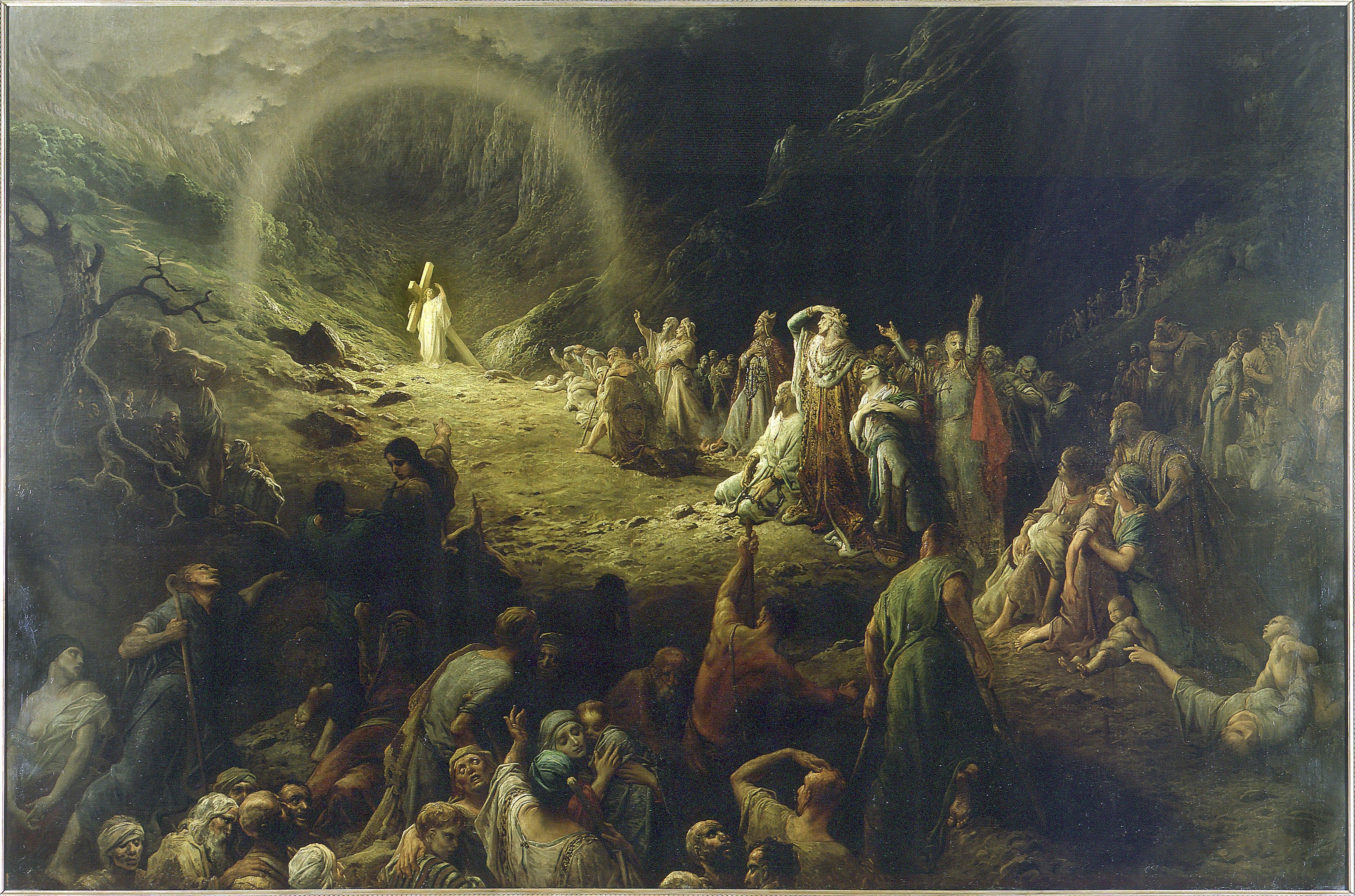
Just think about it for a second. Can you really blame him?
It stems from a deep wound caused by his father. He can’t control it. Sure, he can try to heal that wound, and I’m actually impressed by how much he’s changed. God’s grace has mostly healed him, but some echoes of his wound still remain, and sometimes he’ll stumble and let it affect him again.
You might say, “it’s his father’s fault then, for wounding him.” But his father can’t be blamed either. He suffered greatly. He had his own wounds. And so, on and on it goes, until you realize that you can trace our lineage of suffering all the way back to Adam.
He vanishes after he says this, and I’m left all alone in a courtyard of stone covered in moss. There’s no sounds to be heard, no signs of life, and nothing else in this great open space save for a beautiful fountain in the middle. The air is cold and damp, and a faint mist is starting to come into the courtyard.
As I walk up to the well, I can hear sounds below. They get louder and louder, rising quickly, until eventually I see a small stream of clear water coming out from the top. A few minutes go by and the fountain is now working fully, waves of water cascading all around it, spilling onto the courtyard floor.
As I stare into the hypnotic flow, a feeling of great sorrow comes over me, and at that exact moment, the water starts flowing red. It’s no longer water, but blood coming out of the fountain. I try to look away but I can’t, and when all the water has turned into blood, there is no longer a fountain, but a young man, the red liquid now flowing from an open wound on his side.
He stretches his arms out to me, asking for forgiveness, asking for understanding, asking for someone to look at him with anything that isn’t contempt.
I see in him a strange familiarity—some resemblance to me, but more than that, he resembles every man I've ever seen. The first of us all, he who cast us into a broken world, stands before me, full of regret, unable to stop the stream of sinful blood that comes from him.
I look at him and realize that there’ll never be an earthly paradise, and that until death comes for us, we’re bound to walk this valley of blood and tears.
I see an unbroken chain of wounds, bleeding into every generation, leaving us all hurt and malformed. A great crimson fountain of suffering beginning from the side of Adam paints red this broken world, and drowns us all in the sorrow of a humanity that was never created to bear such pain.
And yet, we failed, and tainted this once spotless world with our disgusting pride.
But in the midst of this painful vision, some light shines through. The sun rises, the mist dissipates, and the courtyard is quiet again. Adam’s gone, and so are the crimson rivers that flowed from him.
There’s a wooden cross standing where he was, and what I thought was sunlight is stemming from it. Its warmth comforts me and brings me peace, and I understand now the vision I just had.
We are all damaged beyond measure. We brought this on ourselves. Adam opened the floodgates of sorrow, and all of us contributed with our own sin, our own egoism, and our own pride. We kept the crimson rivers flowing, and we added our own tears to them.
Rivers of blood will forever flow through this earth, but this earth isn’t our home.
Some might look at the reality of human suffering and despair altogether, cursing God and the human race for failing to create a world without darkness.
Others, however, will look towards the cross and find in it the end of suffering. They will see its power to turn blood into clear water, to purify even that which seems dead.
And they will remember the promise that walks with us forever, and know just how profoundly loving Our Savior is:
For God so loved the world that he gave his only Son, that whoever believes in him should not perish but have eternal life.
— John 3:16
They’ll stop tracing wounds backward looking for someone to condemn.
They’ll acknowledge the broken chain we’re all part of, confess their own contributions to the great river of blood, and turn toward the cross that transforms, renews, and purifies it all.
Sic transit dolor mundi,
Juan
Thank you for reading!
I know this was different from my usual work, as I tend to try and keep my articles practical and applicable. Every once in a while, however, I like to write more freely. More soul and less intellect, you could say.
Let me know if you like this kind of articles in the comment section!
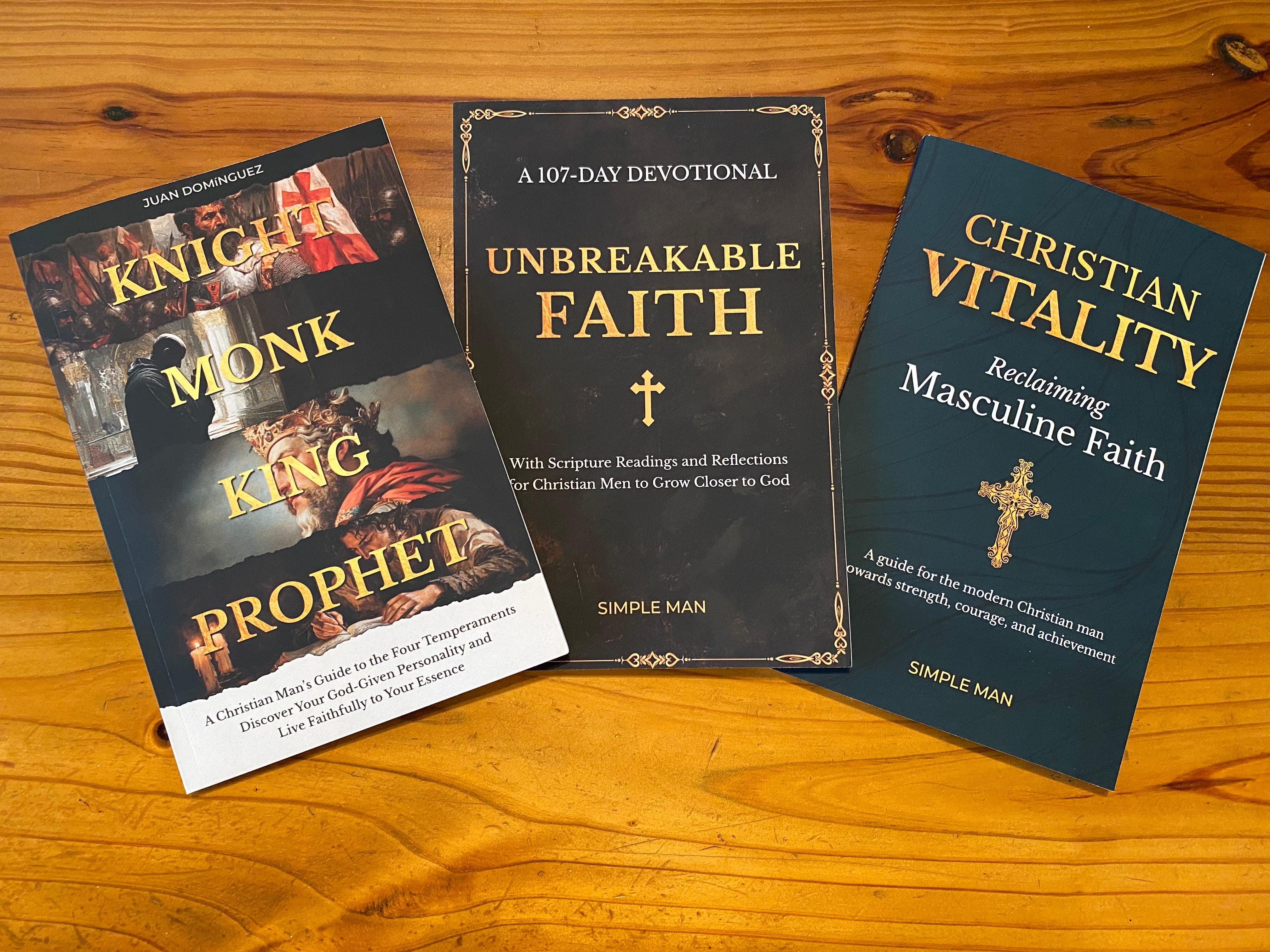
If you liked this article, you’ll love my books.
Beautiful
Great and powerful writing!