


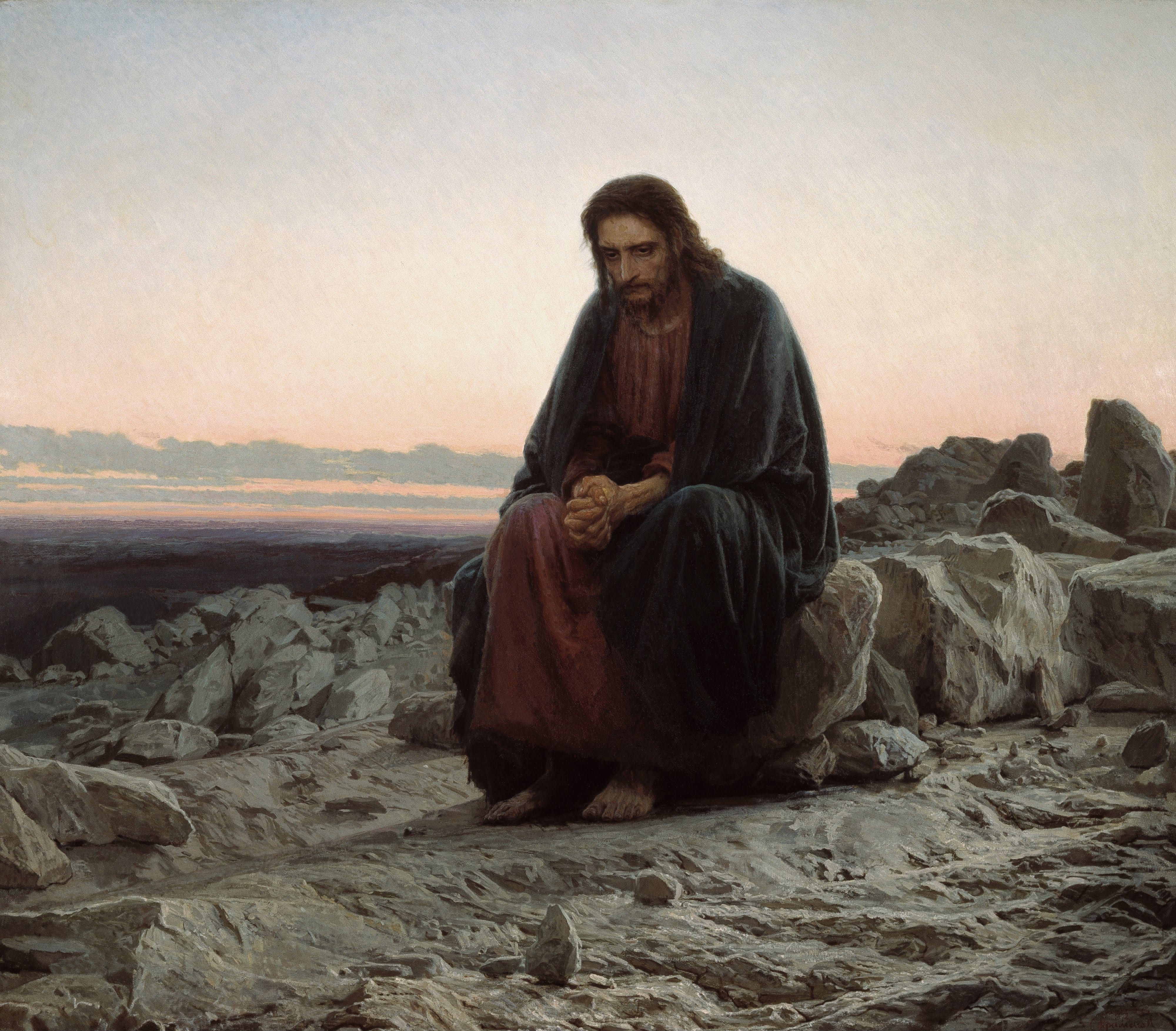
I know that many of you aren’t Catholic, but for us Catholics, today marks the first day of Lent, a 40-day period of spiritual preparation for Easter. I wanted to write this article because I believe that participating in Lent —or at least, using the period before Easter to strengthen your relationship with God— can be incredibly meaningful for Christians of all denominations.
So even if you’re not Catholic, I highly encourage you to read along and see if maybe you can use what’s in this article to come up with some meaningful efforts to undertake in the coming weeks.
What is Lent?
Lent is arguably the most important liturgical season in the Catholic Church. It lasts for 40 days, beginning on Ash Wednesday (today) and concluding on Holy Saturday, the day before Easter Sunday.
Lent is a time of penance, fasting, prayer, and almsgiving, intended to prepare us for the celebration of the Paschal Mystery—the passion, death, and resurrection of Jesus Christ, which is the very center of our faith.
The 40 days of Lent mirror the 40 days that Jesus spent fasting in the desert before beginning His public ministry. Because it’s a period of renewal and reflection, we are encouraged to engage in practices that strengthen our relationship with God, mainly those related to Fasting, Prayer, and Almsgiving, as well as frequent participation in the sacraments.
Lent is, in summary, a time for the faithful to prepare our hearts and minds for the joy of Easter, by engaging in ascetic practices, prayer, and acts of service.
Why is Lent so Important for Catholics?
The period of Lent is incredibly important for Catholics mainly because it’s a time of preparation for the celebration of Easter, the most important feast in the Christian calendar, which commemorates the resurrection of Jesus Christ.
During Lent, there’s also a strong emphasis on repentance and conversion. On Ash Wednesday, as the priest marks the faithful with the ashes —representing our sinful, mortal nature and our need for God’s grace— on their forehead, he tells us to “repent and believe the Gospel”. We are thereby encouraged to examine our lives, recognize areas of sin, and seek reconciliation with God.
Lent is also important because by intentionally practicing acts of self-denial we learn to express solidarity with Christ's passion and develop a greater appreciation for His love and sacrifice. This connection to Christ's suffering also encourages empathy and compassion for those who are suffering in the world today.
Finally, Lent has a strong communal aspect within the Catholic Church, as we come together to participate in liturgical celebrations, such as the Stations of the Cross, and to support each other in our Lenten commitments.
How Can We Engage in Lent?
A simple yet meaningful approach to Lent is to engage in specific actions related to the three principal means of attaining Christian perfection: Prayer, Fasting and Almsgiving.
Think about what you can do for each one of those three categories:
What attachments do you have that you can fast from?
How can you introduce more prayer into your daily routine?
How can you give more and be more charitable?
As I said earlier, even if you’re not Catholic, this is a great opportunity to be intentional about strengthening your relationship with God by the means described above. You can use this as an opportunity to give up those attachments that keep you enslaved, to increase your spiritual strength in prayer, and to be of more service to those around you.
If you need some ideas, here are my Lenten purposes for this year:
My Lenten Purposes
Prayer:
Pray the rosary every day
Attend Mass every Sunday and one extra day during the week
Fasting:
Give up sweets and deserts.
Give up sweet drinks.
Do one 48 hour fast during the 40 days of Lent.
No curse words.
Cold showers throughout the entirety of Lent.
Almsgiving:
Donate to charity an amount that is enough to make me a bit uncomfortable.
Volunteer during Easter by going on missions.
I’m also thinking about offering free calls to my subscribers, to help you with specific advice and support about faith, masculinity, relationships, and anything else I might be helpful with. I think this would be a cool way to “give back” and thank you for reading Simple Men. If you’re interested in this, drop a comment on this post and I’ll set it up.
A final warning if you’re participating in Lent is to always remember the purpose of Lent. It’s cool to set challenges for yourself, but you have to remember what the purpose of those challenges is: to draw nearer to God.
It’s easy to forget why we are doing this, because we can get easily caught up in the challenges themselves and forget the reason behind them. Frequent prayer helps with this: every day, in prayer, offer whatever sacrifices you’re making to God and ask Him to keep your intentions pure.
Lent is a significantly transformative period. I encourage you to be intentional about the changes you want to make in your life that will help you be a better man of God, for Christ, your family, and for yourself.
Finally, if you’re looking for something to read during Lent, take a look at my books (I personally recommend Christian Vitality and Unbreakable Faith, as those two are very much ideal to read during Lent)👇🏻

May this Lent be an opportunity for change and repentance, and may you draw much closer to God in the upcoming weeks. Let me know in the comments if you’ll be participating in Lent and what your intentions are for this period.
In Christ,
Simple Man
Great recommendations and an important reflection for today! For those who aren’t Catholic, it may come as a surprise that there is a ‘Pre-Lent’ period—three Sundays of preparation known as Septuagesima, Sexagesima, and Quinquagesima. These weeks invite us to examine our lives, recognize our sins, and prepare ourselves to draw closer to God.
I plan to attend Ash Wednesday Mass during my lunch break at work because I am available, but also because it is an opportunity to practice self-denial and stand unapologetically in my faith. It would be easier to wait until after work, avoiding the discomfort of walking back into the office with ashes on my forehead for everyone to see. But that would be choosing comfort over conviction.
This is what I keep being reminded of—how easy it is to stand with God when there’s no challenge, but much harder when doing so might come with consequences. Today is one of those moments when we are called to make a choice: stand with God or conform to the world. Even if it feels uneasy, even if there are repercussions, I must choose Him.
I gave up youtube for my fasting (as the only social media I am still addicted to). It hasn't been easy, I'll tell you that.