



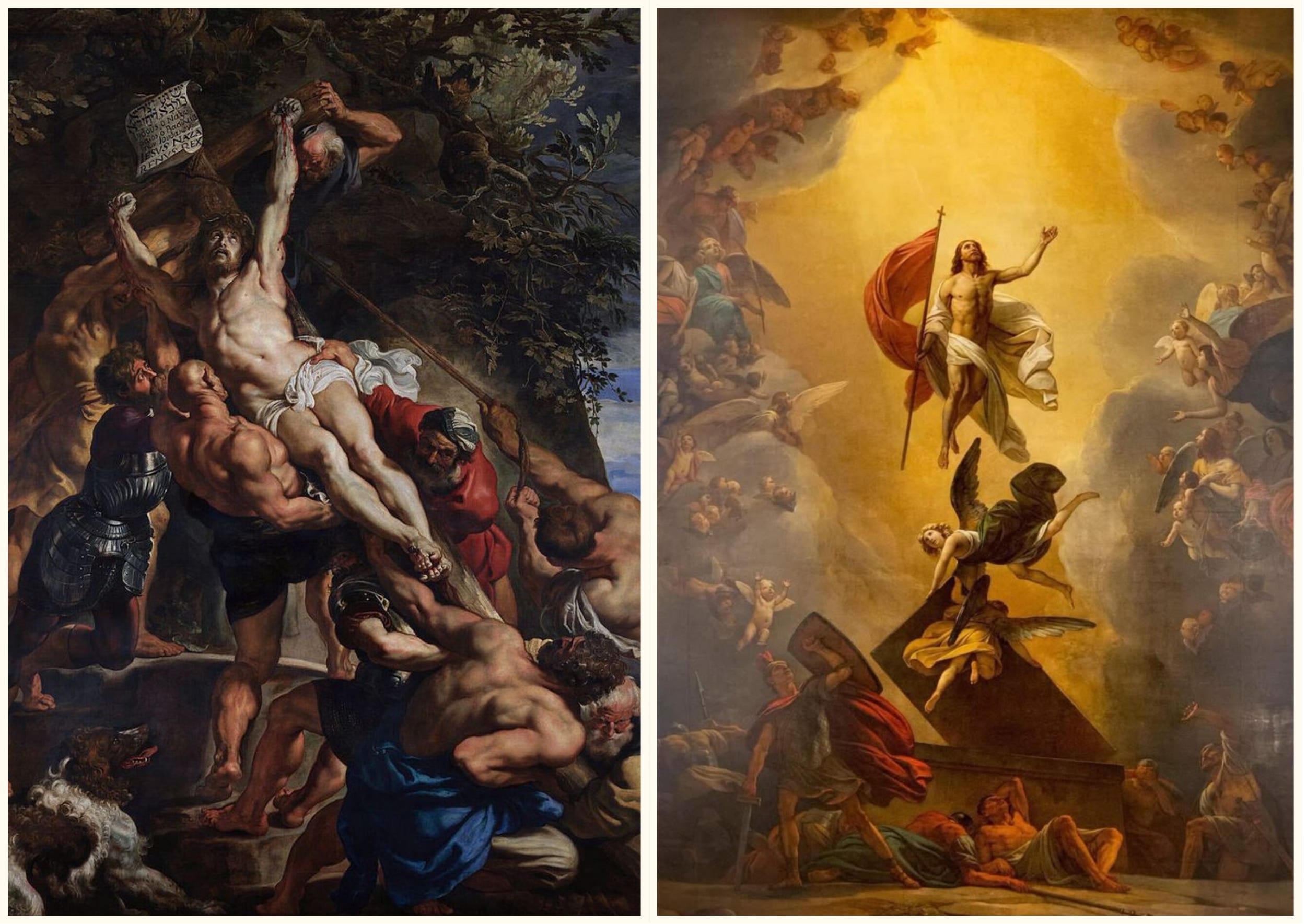
Last week, one of my close friends approached me after our Jiu-Jitsu class and asked me for some advice regarding the correct way to properly prepare mentally and spiritually for the Paschal Triduum and Easter. His question motivated me to write this article not just to provide him with a clear, structured answer (I will send him this article), but also so that I can reflect on the upcoming days myself and provide those of you who might be wondering the same thing with some guidance.
It’s particularly relevant to consider the proper approach to Easter in a day and age when most use this holiday to relax and decompress, or travel and party. As someone who never really took Easter seriously until my conversion, I can understand those who —perhaps because of cultural pressures— haven’t really taken the time to reflect on the significance of the upcoming days. For them, I hope this article serves as a valuable countercultural suggestion, so they can experience this Holy Week in the correct spirit, and avoid missing out on a time that can be of significant spiritual transformation when approached properly.
Thank you for reading Ad Aeternum! If you’re enjoying our work, please consider upgrading to a premium subscription to support us and get access to:
Exclusive, in-depth articles every Saturday
Access to the entire archive of essays
Group chat access and subscriber Q&As plus many upcoming member benefits

What Easter is Not About
First off, we need to remember what this week is not about. In a world dominated by Easter Bunny prevalence (which has non-Christian folk origins, though sometimes blended with Christian customs), it’s easy to forget that these days are not about the eggs and the colors, or a vacation to be spent doing whatever we desire.
It can be very tempting to use these “free days” to travel with your friends or family, or to simply rest and recharge from what has surely been an intense first quarter of the year.
And even if it’s certainly not wrong to do those things (provided these aren’t “spring break” type trips), the fact is that Easter isn’t really about relaxing or traveling. You could, of course, do all those things, but only if they do not distract you from the real purpose of this week: to contemplate and accompany Christ crucified and resurrected.

How to Prepare for Easter
Holy Week officially started last Sunday (Palm Sunday), with a distinct liturgy in which we remember Christ’s triumphant entrance into Jerusalem riding a donkey. Those attending the Mass receive palms, as a reminder of John 12:13, in which we are told that people welcomed Jesus by waving palm branches upon His entry into Jerusalem. During the Mass on Palm Sunday, it’s also the first time we hear the reading of the Lord’s Passion (in full) according to the liturgical cycle (Matthew in Year A, Mark in B, Luke in C).
After Palm Sunday come Monday, Tuesday, and Wednesday of Holy Week. These three days are a good opportunity to meditate and reflect on the sacrifice of Our Lord. A good way to do this is by going to confession and attending daily Mass, while also reading the Scripture passages corresponding to the Passion of Our Lord, and meditating silently on them.
Then come the most important days in the whole year, during which we remember both the solemnity and suffering that Christianity demands and the joy that following the Lord gives us access to.
Holy Thursday:
Holy Thursday commemorates the Last Supper (the institution of the Eucharist), and the washing of the feet. In the Holy Thursday Mass, there is a moment during the service in which the priest washes the feet of 12 parishioners, emulating Christ’s servant leadership.
At the end of Mass, the consecrated hosts are left on the altar and the priest, donning a humeral veil, takes the Blessed Sacrament and processes out of the church to a chapel or other area for Eucharistic adoration, known as the altar of repose, inviting adoration until midnight.
Good Friday:
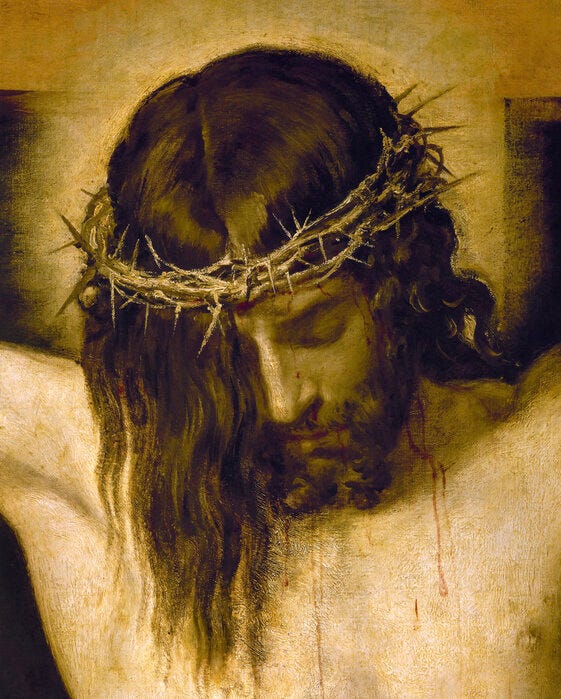
Good Friday is possibly the most solemn day of the entire year for Catholics. On this day, we remember Jesus’ betrayal, passion, and crucifixion. It’s the only day in the entire year in which Mass is not celebrated, and it’s a sad day in which we are called to fast and abstain as required by Church precept (ages 18-59 for fasting, 14+ for abstinence from meat), to unite our suffering with Christ’s and to remember the role of our own sin in the pain He bore for us.
It’s common on Good Friday to do Station of the Cross devotions and processions, where large crosses are carried (usually in a community), to remember the Via Crucis. There is a reading of the Passion and the Eucharist, which was consecrated on Thursday, is distributed.
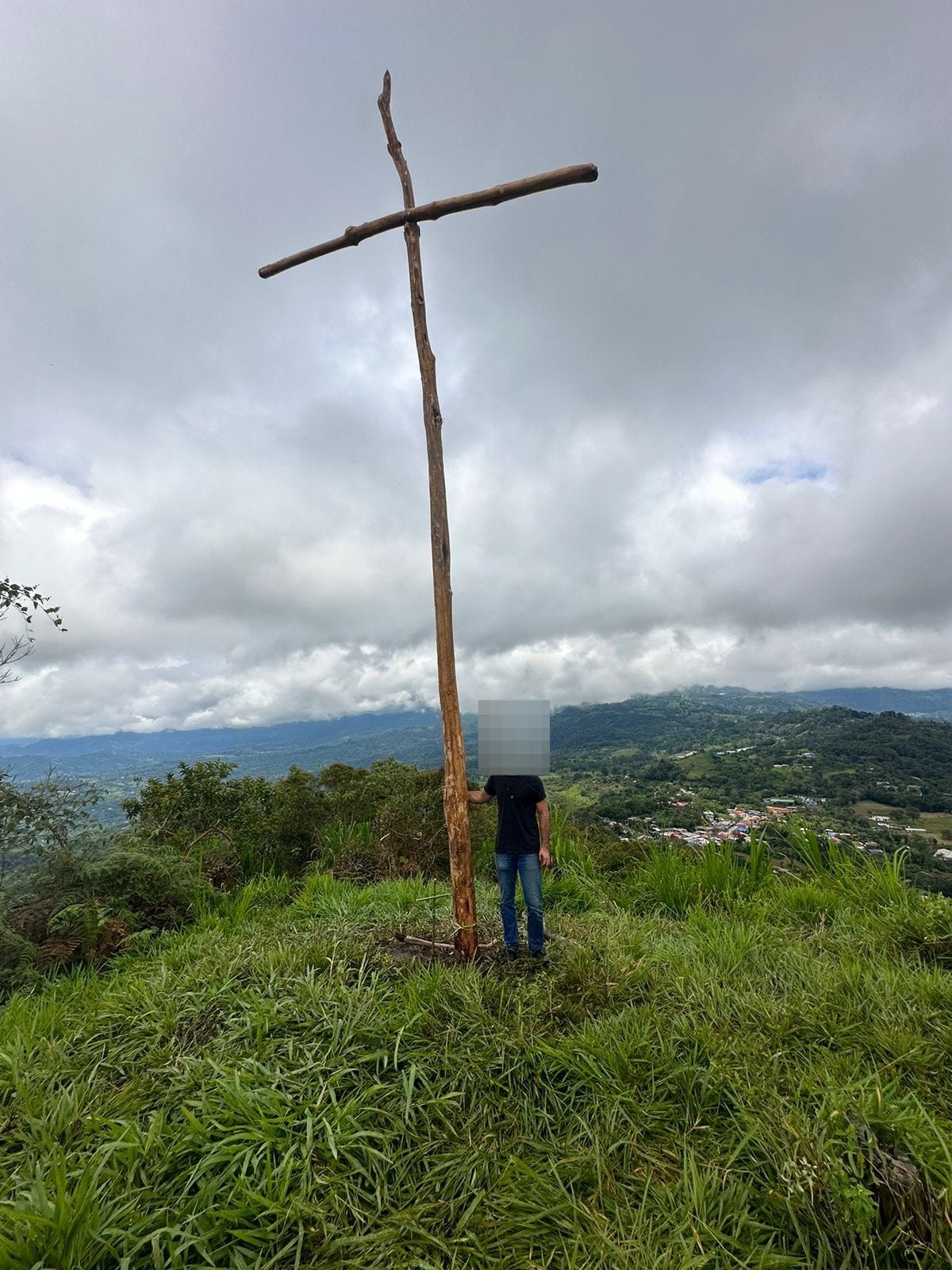
On this day, it’s important to maintain a spirit of solemnity and contemplation, to focus and meditate on Christ’s sacrifice and on the ugliness of our sin that made His suffering necessary.
Holy Saturday:
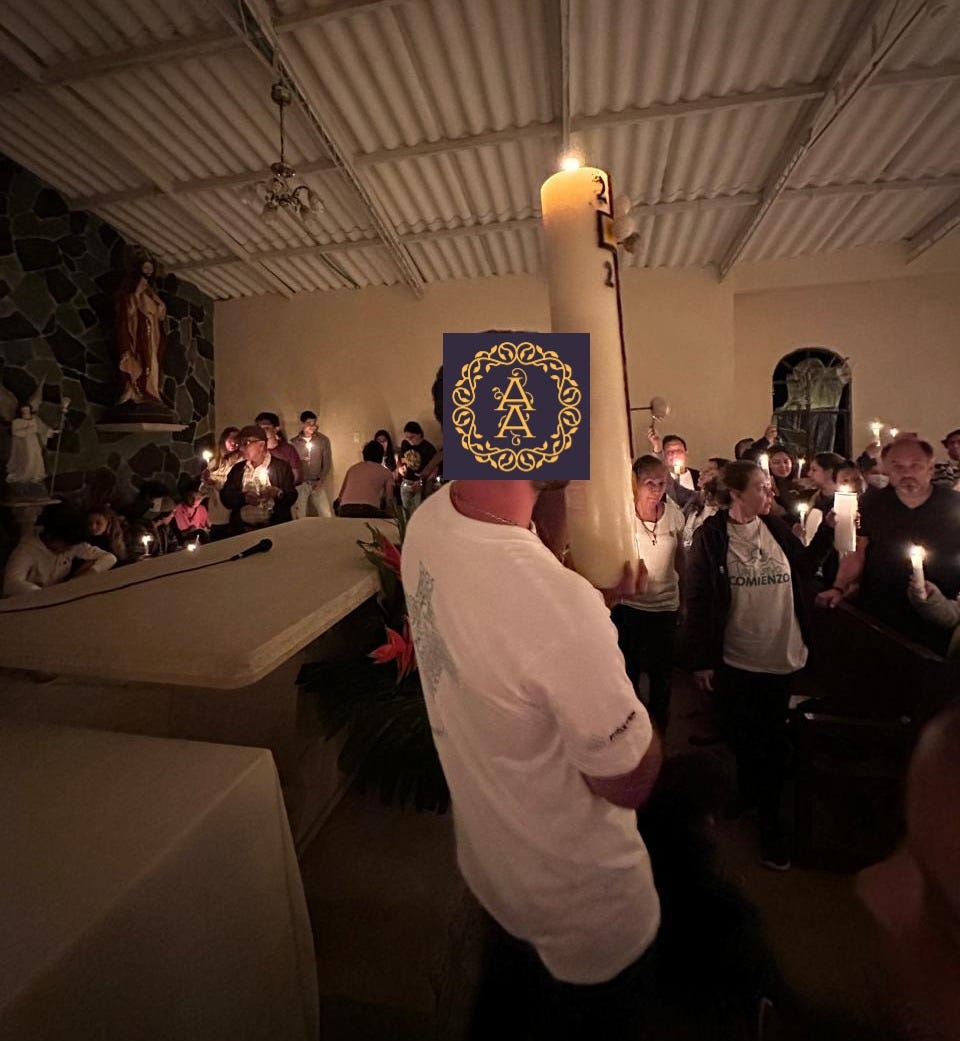
On Saturday, possibly the greatest and most joyful Mass of the whole year takes place: the Easter Vigil. It’s a unique service that can only begin once the sun has set, and it begins with the lighting of the Paschal candle outside of the Church. The fire is then shared from this candle to the other individual candles of the parishioners. Afterwards, for the Liturgy of the Word (normally consisting of 2-3 readings), up to nine readings are read: seven from the Old Testament (at least three), one Epistle, and the Gospel.
These readings show the connection between the Old and New Testaments and how Jesus fulfilled the prophecies of Scripture and achieved salvation for us all.
This is a joyous celebration filled with rich songs and uplifted spirits. On this day we celebrate Christ’s triumph over death and sin, and the spirit with which we approach it is diametrically opposed to the solemnity of Good Friday.
Before the Easter Vigil, Saturday is a good opportunity to draw closer to the Holy Virgin Mary, as we remember too her pain and loneliness during the time between Christ’s death and resurrection.
Easter Sunday:
Easter Sunday Masses are usually more similar to the Masses that occur during the ordinary time, the main difference being that the celebratory atmosphere continues from Holy Saturday.
On this day, we continue to celebrate the triumphant resurrection of Our Lord and we look with hope towards the future, knowing that Christ awaits us in eternity.

Some final recommendations for these days are to spend them intentionally, and to truly place God at the very center of your life —every day, but even more so this week.
You can do this by taking part in a retreat, doing missionary or charity work, or spending them in a spirit of silence and prayer at home. If you have some down time, you could watch the movie The Passion of the Christ, to remember just how much Our Lord suffered for us. I would recommend you avoid traveling unless for the aforementioned purposes and that if you do travel, you make the effort to participate in the Holy Week services and processions and to remember throughout it all that the spirit of this week is not one of rest and mundane enjoyment but of spiritual transformation.
May this Holy Week be an opportunity for change and repentance, and may you draw much closer to God in the upcoming days, as we are united in the Easter proclamation that Jesus Christ is Lord.
Ad Maiora Nati Sumus,
Juan

Thank you for reading!
If you enjoyed this post and could leave a like or comment it would be greatly appreciated, as it will help my work reach more people.
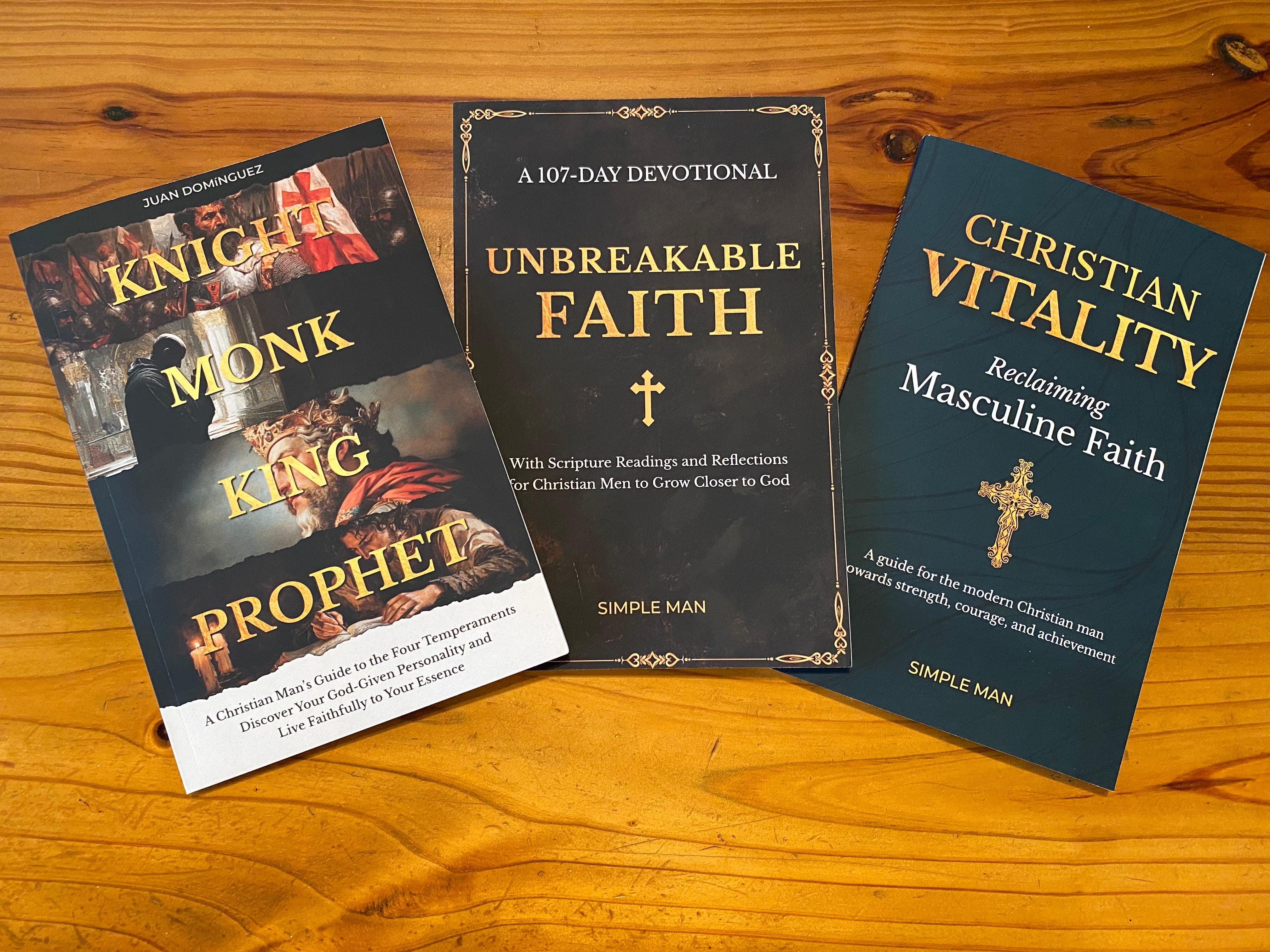
If you liked this article, you’ll love my books.
This was a blessing, thank you
Thank you for this. 💜🙏