



Somewhere in the midst of all the theological debates, apologetic videos, and social media posts in the online Christian sphere, a man can easily lose track of one the more fundamental aspects of our faith: the raw honesty with which we are to approach Our Lord, with an open heart that bleeds for Him and a soul that burns, desperately seeking peace and redemption.
I recently read a beautiful article titled The Case for Dirtbag Catholicism, which explained just how necessary it is for the Catholic faith to be welcoming to those who live it in an unpolished, yet brutally honest fashion. I completely agree with the Global Penitent, and even though I don’t necessarily think I fit the profile of men his article was aimed at, I think it speaks of an even broader truth that we must continue to share, lest we forget it and make our faith heartless.
That truth, simply put, is that Catholicism is a faith of wounds and calluses. It’s a faith that fits everyone, and in which even those who have been blessed with orderly, healthy upbringings will need —at some point— to get some dirt on their knees and spit some blood if they are to survive the onslaughts of the enemy and make it to Heaven.
The story of the Church is the story of men who’ve been redeemed, of men who lived with passion, failed terribly and yet rose again and again:
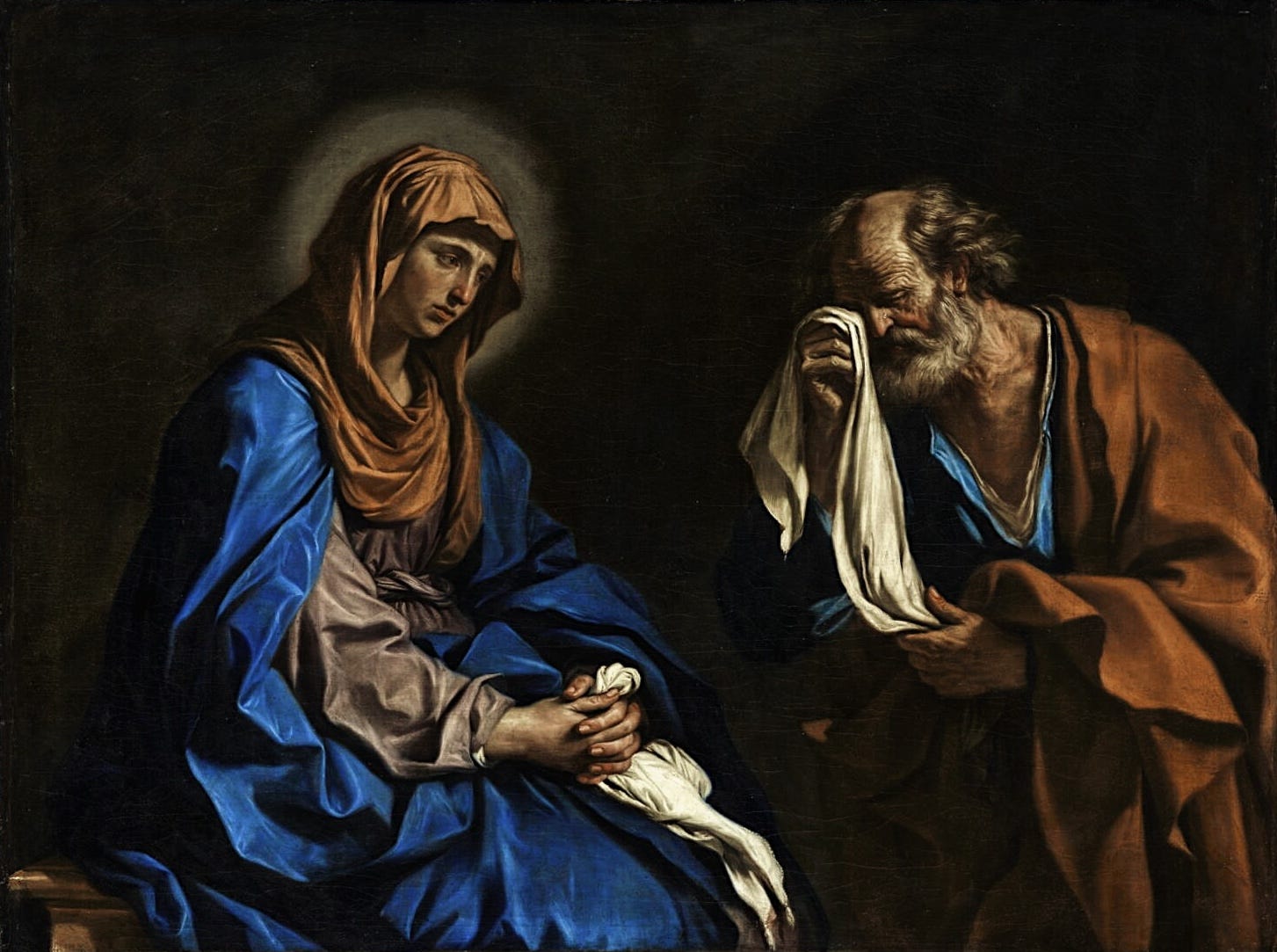
St. Peter denied Christ and wept bitterly for his betrayal, and yet persisted as the rock of the Church.
St. Paul persecuted Christians to the death, and yet repented and wrote a large portion of the New Testament.
St. Augustine was a libertine and a degenerate, and yet he never ceased to look for God.
These men were raw and unpolished, and became saints, perhaps not in spite of it, but precisely because of what their sins taught them, and because they were too aware of their own struggles to have time to consider themselves holier than others.
The archetypal Catholic saint is not the sanctimonious, holier-than-though teacher’s pet who dresses impeccably and pretends he no longer sins, but the man who’s so unbearably aware of just how much he needs God’s mercy that he humbly and honestly offers the wounds that sin has opened to Christ in order to find some semblance of peace.
The cross that many great saints carried was also the instrument of their sanctification, because they never sought to hide it, they never shied away from it, and they never thought that appearing to carry no cross would make them better Catholics.
The tax collector, however, stood some distance away and would not even raise his eyes to heaven. Rather, he kept beating his breast as he said, ‘God, be merciful to me, a sinner.’
— Luke 18:13
We now seem afraid to be raw and honest about the fact that we are not even close to being good, so we hide behind masks and fake personas to avoid showing any kind of struggle, losing something fundamental in the process: the testimony of a faith that isn’t a mere list of facts or the emotional high of Christian rock songs but the bloody wounds and the spiritual calluses that a life of silent struggle will always cause.
The Catholic faith is not PG-13 or politically correct. It’s unbearably beautiful but inseparable from pain.
So why do we try to make it this perfect picture of “niceness”? Why do we soften it, water it down, make it easy and diffuse? Why do we look down on those who truly struggle? The criminal who repents, the degenerate who converts, the fallen man who seeks forgiveness? Those are Catholics too, and we are hypocrites if we think we are better than them, when perhaps all we’ve learnt to do is hide our sins a little better.
The Church needs to become a place where the rugged, raw, repentant man can also feel at home and find a way forward, not a place ruled by subtle feminist undertones and by sanctimonious, self-righteous Catholic “experts” who look down on those who come in with bags under their bloodshot eyes, with blood on their knees, and a heart that suffers from the cold, unyielding grip of sin.
If you have been blessed with a comfortable, healthy life, it’s your responsibility to fight the pride that tells you you are somehow better than those who have lived immersed in sin and darkness, and who have admirably started to look for the light. None of this says sin is good. But hiding it out of pride or to pretend to be the perfect image of order is not good either.
We need men who are real, men of great passion, deep hearts and daring wills. Not another sanctimonious Pharisee with a vest and a list, but men who fall down weeping after they fail the Lord yet again, but who get up and bring their tears to Him. We need men who dare aim for holiness, even when they have been dealt a fucked up hand and have no reason to believe there’s anything better coming.
This is in no way a dig at those who actually live ordered lives, or those who have managed to show outwardly and genuinely the healing the Lord has brought upon them. I wish that for everyone.
But some —and all of us, at some point— are more akin to the leper who cannot stand to hold the Lord’s gaze or the addict who seems to always return to the chains that bind him, and we all —without exception— need to know that the faith that fails but persists is not less valuable than the faithfulness that comes without struggle.
Ad Maiora Nati Sumus,
Juan


Thank you for reading!
If you enjoyed this post and could leave a like or comment it would be greatly appreciated, as it will help my work reach more people.
Also, if you liked this article, you’ll love my book.

Raw, repentant, and honest — that's the posture the debates keep missing. Grateful you pointed this out. ✝️